

Have you ever stopped while typing a message and wondered whether it should be written as “goodmorning” or “good morning”? You’re not alone. This is one of the most common grammar and spelling questions people search online, especially when writing emails, texts, captions, or greetings.
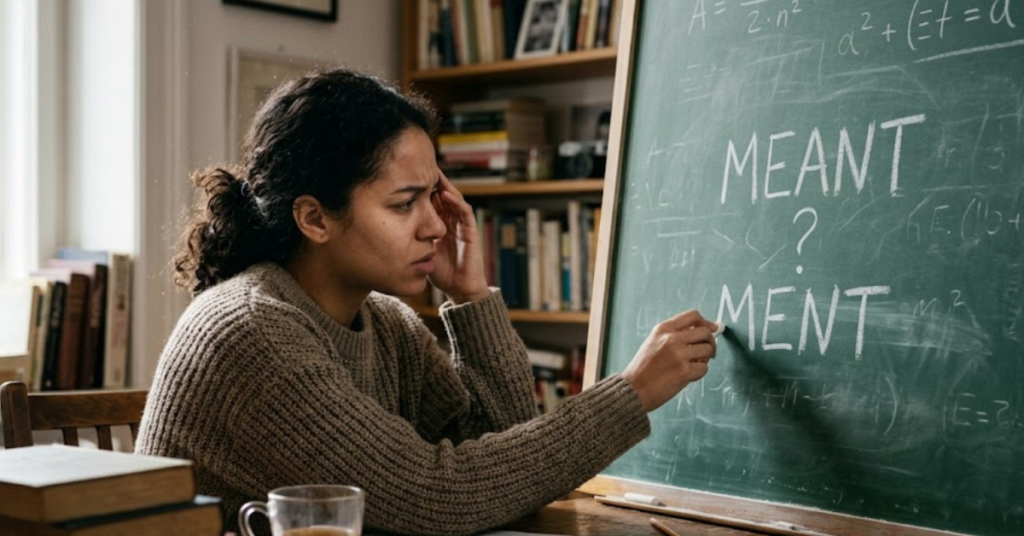
Understanding the difference between goodmorning or good morning is important because only one version is grammatically correct in standard English. In this guide, we’ll explain the correct usage, grammar rules, meanings, and common mistakes in a simple and practical way.
Goodmorning or Good Morning: Which Is Correct?
The correct spelling is:
Good morning
Written as two separate words.
The single-word version “goodmorning” is considered incorrect in standard English grammar.
Correct Examples:
- Good morning, everyone.
- I sent her a good morning message.
- Good morning and welcome to the meeting.
Incorrect Example:
- Goodmorning everyone.
So whenever you use this greeting, the correct form is always two words.
Goodmorning or Good Morning Grammar Explained
The confusion often comes from the fact that many English greetings are written as one word over time, such as:
- goodbye
- tonight
- sometimes
However, according to English grammar rules, “good morning” remains a two-word greeting.
Why?
The phrase combines:
- “good” (an adjective)
- “morning” (a noun)
Together, they form a greeting phrase rather than a single compound word.
That’s why searches related to goodmorning or good morning grammar are so common among learners and writers.
Goodmorning or Good Morning Meaning
The phrase is used as a polite greeting during the morning hours.
Simple meaning:
A respectful or friendly way to greet someone in the morning.
People commonly use it:
- In conversations
- In emails
- In text messages
- In workplaces
- On social media
The phrase is universal and widely accepted in both formal and informal communication.
Is It Goodmorning or Good Morning in Emails?
One of the most searched questions is whether to use one word or two in professional communication.
The correct version in emails is:
Good morning
Example:
- Good morning, Sarah. I hope you’re doing well today.
Using the incorrect form may appear unprofessional, especially in business or academic settings.
So if you’re wondering about goodmorning or good morning in email, always choose the two-word version.
Goodmorning or Good Morning Text Usage
In casual texting, people sometimes combine words for speed or style. Even so, the grammatically correct form remains:
- Good morning
Common text examples:
- Good morning! Have a great day.
- Sending you a positive good morning message.
- Good morning, hope you slept well.
Many people shorten greetings informally online, but proper writing still uses two separate words.
Positive and Inspirational Morning Greetings
Morning greetings are often used to spread positivity and motivation.
Popular examples include:
- “Good morning. Start your day with confidence.”
- “Every morning is a fresh beginning.”
- “Good morning and stay positive today.”
- “Wake up with gratitude and purpose.”
Searches related to positive goodmorning or good morning and inspirational quotes goodmorning or good morning are extremely popular on social media platforms.
Sweet and Special Good Morning Messages
People often use sweet greetings to express care and affection.
Examples include:
- “Good morning, sunshine.”
- “Wishing you a peaceful and beautiful morning.”
- “Good morning to the person who makes my days brighter.”
- “Have a lovely morning filled with happiness.”
These messages are common in relationships, family chats, and close friendships.
Good Morning Images, GIFs, and Quotes
Morning greetings are widely shared online through:
- Quotes
- GIFs
- Wallpapers
- Images
- Status updates
That’s why phrases like:
- goodmorning or good morning gif
- goodmorning or good morning images
- goodmorning or good morning quotes
are frequently searched online.
No matter the format, the correct written phrase remains “good morning.”
Common Mistakes People Make
Here are some common greeting mistakes:
Incorrect:
- Goodmorning
- Good-morning
- Gud morning
Correct:
- Good morning
Using proper spacing improves clarity and professionalism.
Why Correct Spelling Matters
Correct grammar matters because it:
- Improves communication
- Creates a professional impression
- Builds writing confidence
- Helps avoid misunderstandings
- Makes messages easier to read
Even small errors can affect how your writing is perceived in formal situations.
Tips to Remember the Correct Form
Think of It as a Greeting Phrase
“Good” describes the noun “morning,” so they stay separate.
Read Professional Emails
You’ll notice that workplaces always use “good morning.”
Practice Correct Usage
Repeated correct spelling helps build habit naturally.
Use Spell Check
Modern devices can quickly identify spelling mistakes.
Frequently Asked Questions
Is it goodmorning or good morning?
The correct form is “good morning” with a space between the words.
Is “goodmorning” ever correct?
No. Standard English grammar considers it incorrect.
Why do people write “goodmorning” as one word?
People often combine the words while texting quickly or due to typing habits.
Can I use “good morning” in formal emails?
Yes. It is one of the most professional and widely accepted greetings.
What does good morning mean?
It is a polite greeting used during morning hours.
Conclusion
When it comes to goodmorning or good morning, the correct grammatical form is always “good morning” written as two separate words. While the one-word version appears frequently in texts and social media, it is not considered proper English.
Understanding the correct spelling and usage helps improve your communication in emails, messages, captions, and professional writing. Whether you’re sending a sweet morning text, a formal email, or an inspirational quote, using “good morning